Using ORT in Your Embroidery Business
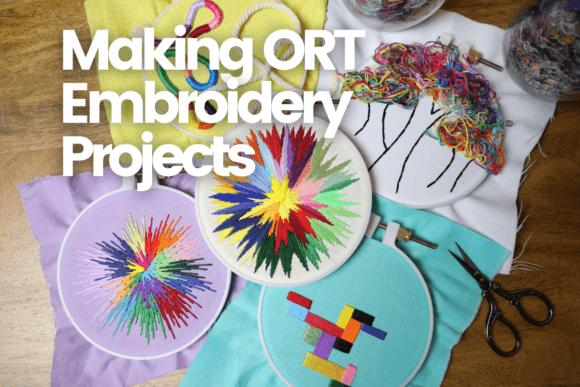
As an embroidery seller who has spent years testing designs for Etsy and boutique markets, I have learned to spot a resource that can genuinely elevate a product line. When I came across Making ORT Embroidery Projects on Creative Fabrica, I had to take a closer look. For anyone unfamiliar with the term, ORT refers to those leftover thread clippings and short pieces that accumulate after every project. This class is built around turning that waste into creative, sellable work. If you have been embroidering for a bit, chances are you have built up quite a supply of ORT, and this class shows you how to put it to use. After reviewing the concept and imagining how it fits into a real handmade product business, I want to share what I see as its strengths, its best applications, and the practical steps you should take before adding finished pieces to your shop.
What Makes Making ORT Embroidery Projects Different
Most machine embroidery design resources focus on specific patterns or digitized files you load into your machine. This class is different. It is an educational experience that teaches you techniques for working with ORT to create textured, one-of-a-kind embroidery pieces. The style leans playful and rustic, with a touch of handmade charm that is hard to replicate using standard thread colors alone. There is an earthy, resourceful feel to the finished look, and that resonates strongly with buyers who value sustainability and originality. I would describe the aesthetic as rustic and playful, with a handmade warmth that suits farmhouse decor, personalized gifts, and casual apparel. It is not overly polished or minimalist, but that is exactly why it works for certain product categories. The class empowers you to create designs that feel personal and memorable, which is a huge advantage for a small shop trying to stand out.
Best Product Applications for ORT Design Techniques
After imagining how Making ORT Embroidery Projects translates into finished goods, I see strong potential across several product types. The textured, scrappy look works especially well on items where a handmade, rustic, or vintage feel is desirable. Here are the applications I consider most viable for an Etsy or craft fair lineup.
Embroidered Tote Bags and Sweatshirts
Tote bags and sweatshirts are bread-and-butter items for many embroidery sellers. Adding ORT techniques to these pieces gives them a distinctive texture that machine-perfect stitching cannot replicate. The resulting designs feel more like art than mass production, which justifies a higher price point. I can picture a tote bag with a floral motif built from ORT snippets, or a sweatshirt with a word or emblem that looks almost woven. These products photograph beautifully because the thread layers create shadows and dimension that catch the light. For a custom apparel business, this class opens up a new look you can offer to customers seeking something truly unique.
Baby Blankets and Kitchen Towels
Baby items and kitchen linens are categories where softness and personalization matter most. Making ORT Embroidery Projects teaches methods that use small thread pieces, which means you can create delicate accents without bulky stitching that might feel uncomfortable against skin. For baby embroidery, think tiny animals or initials built from ORT snippets, giving a sweet, handmade quality that new parents adore. Kitchen towels with ORT designs add a homespun, farmhouse feel that sells well on Etsy, especially in seasonal bundles. The subtle texture also helps the design stay visible after multiple washes, as long as you stabilize properly.
Embroidered Patches and Pillow Covers
Patches are a natural fit for ORT techniques because you can work on a separate piece of fabric and then attach it to jackets, bags, or hats. The layered thread look gives patches an heirloom quality that standard embroidery often lacks. Pillow covers are another strong candidate. A rustic word or nature scene created with ORT threads can turn a plain pillow into a conversation piece. For a craft business, offering ORT patches and pillows lets you showcase the technique without committing to large production runs. You can test a few designs and see what resonates before scaling up.
Personalized Gifts and Boutique Merchandise
Custom gifts are where this class really shines. Because ORT projects use leftover threads, each piece naturally varies, making every item one of a kind. That is a powerful selling point for personalized gifts. Whether it is a monogrammed apron, a kitchen towel with a family name, or a small hoop art piece for a friend, the handmade feel adds emotional value. Buyers are willing to pay more for something that clearly took time and care to create. For boutique merchandise, ORT designs can be positioned as limited-edition or artisan-crafted, which builds exclusivity and encourages quicker purchase decisions.
How ORT Projects Support Your Sales and Marketing
Beyond the product itself, Making ORT Embroidery Projects can influence how you present your work to customers. The visual texture of ORT stitching is highly photogenic. When you shoot your finished pieces for Etsy listings or social media, the dimensional threadwork creates natural shadows and highlights that translate well into photos. This makes product photography easier because you do not need elaborate styling to make the design pop. A simple flat lay or a close-up shot on a neutral background can capture the charm effectively.
The class also supports printable mockups. If you create digital mockups of your ORT designs on apparel or home decor items, you can test market reactions before stitching a single item. This is a smart way to validate which designs are worth producing. For social media previews, the textured look stops the scroll better than flat embroidery. Showing before-and-after shots of your ORT scraps turning into a beautiful finished product tells a story that resonates with eco-conscious shoppers and handmade enthusiasts alike.
From a branding perspective, Making ORT Embroidery Projects helps you position your shop as resourceful, creative, and sustainable. That is a narrative that attracts attention in a crowded marketplace. Buyers remember a shop that turns thread scraps into treasure. It makes your products more memorable and more giftable, because the story behind the making adds perceived value. When someone buys an ORT-based item as a gift, they are not just buying embroidery. They are buying a handmade object with a thoughtful, waste-reducing backstory.
Practical Seller Notes Before You Start
Before you add any ORT-based products to your Etsy shop, I recommend a few practical steps to ensure quality and compliance. First, test the design before listing products. Create a sample stitch-out using the techniques from the class on the exact fabric you plan to sell. Pay attention to how the ORT snippets behave on different materials. Cotton twill for tote bags behaves differently than fleece for sweatshirts. Use a suitable stabilizer to keep the ORT threads secure, especially if the design includes loose ends. I suggest testing with both cut-away and tear-away stabilizers to see which gives the cleanest result.
Next, photograph it on real fabric. While mockups are useful for planning, your listings will perform better with authentic photos of your actual work. Shoot the sample in natural light and at a size that shows the texture clearly. Check how the design reads at listing-thumbnail size. If the ORT details become muddy or unreadable when shrunk down, consider simplifying the pattern or increasing the contrast between thread colors. You can also offer close-up views in your listing images to highlight the texture.
Compare thread colors carefully. ORT projects rely on leftover threads, so the color palette is inherently variable. Decide whether you want to offer custom color options or keep a consistent palette for each product. Consistency helps with branding, while customization appeals to gift buyers. Test how different color combinations affect readability from a distance. If you are embroidering a word or simple shape, ensure the ORT snippets do not create visual noise that obscures the design.
Review stitch density and hoop size as part of your testing. Because ORT pieces are layered, the stitching may need to be adjusted to secure them properly without causing puckering. Run a test stitch-out and inspect the underside to confirm everything is locked in. Also confirm that the techniques taught in the class fit within the hoop sizes you typically use. If you work with multi-hoop formats, plan accordingly.
Finally, check Creative Fabrica licensing before selling finished goods made from techniques learned in this class. Since Making ORT Embroidery Projects is a class rather than a standard machine embroidery design file, the license terms may differ from those for individual digital files. Read the product page on Creative Fabrica carefully to understand what is allowed for commercial embroidery. If the license permits you to sell products made from the techniques, you are good to go. If not, you may need to adapt the approach or use it solely for personal projects. I always recommend erring on the side of caution and reaching out to the seller if the terms are unclear.
Final Thoughts on Adding ORT Techniques to Your Shop
Making ORT Embroidery Projects is a refreshing addition to any embroidery seller toolkit. It encourages creative reuse of materials that would otherwise go to waste, and it produces a look that is genuinely difficult to achieve with standard digitized designs. For an Etsy seller or small shop owner, this class offers a way to differentiate your product line with textured, story-rich items that appeal to buyers seeking handmade authenticity. Whether you are creating embroidered tote bags, sweatshirt embroidery, baby embroidery, kitchen towel embroidery, or embroidered patches, the techniques you learn here can help you produce goods that feel special, giftable, and worth a premium price.
I would recommend this class to any embroidery business owner who wants to expand their skillset and offer something fresh to their customers. The rustic, playful, and resourceful personality of ORT projects aligns well with current market trends toward sustainability and handmade uniqueness. Just be sure to test thoroughly, photograph honestly, and confirm your license before hitting publish on those listings. With the right preparation, ORT projects could become a signature offering in your shop that keeps customers coming back for more.