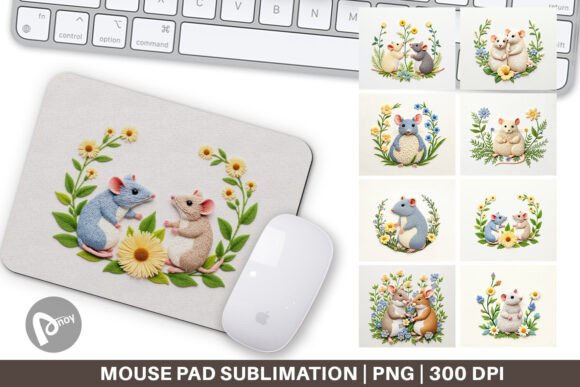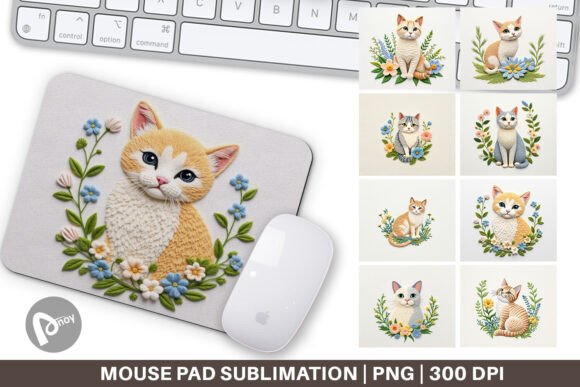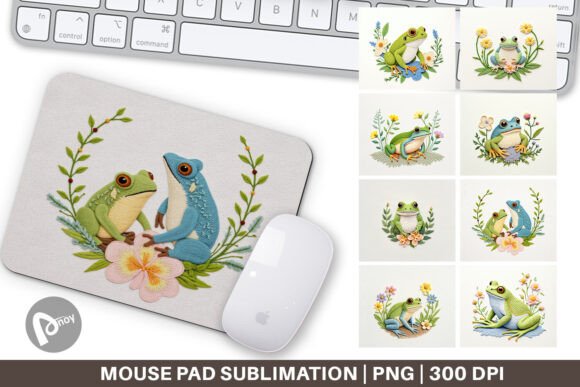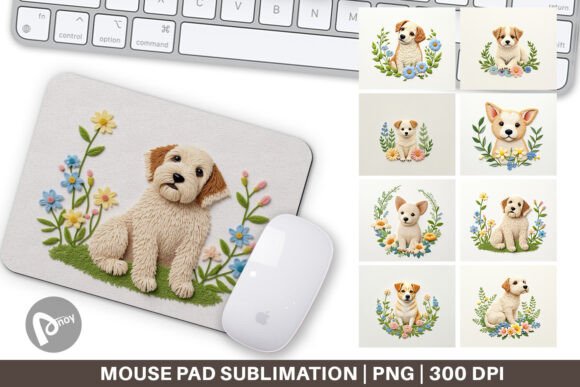
Mouse Pad Pelican Embroidery: A Designer Review
When I first came across the Mouse Pad Pelican Embroidery listing on Creative Fabrica, I admit I paused. The product description markets it as a sublimation mouse pad meant to beautify a desk or gaming setup. But as someone who spends every workday digitizing and stitching custom apparel, I immediately saw something else: a design with genuine potential for sweatshirt embroidery and boutique fashion—if you know how to translate the visual language into thread.
This review comes from the perspective of an embroidery designer who has built collections for small clothing brands and Etsy sellers. I have spent hours testing Creative Fabrica embroidery resources, and I want to give you an honest look at how Mouse Pad Pelican Embroidery might serve your next apparel drop. I will walk through its visual mood, its performance across different garment types, and the practical questions every decorator should ask before committing a design to fabric.
First Impression: Visual Personality and Stitching Mood
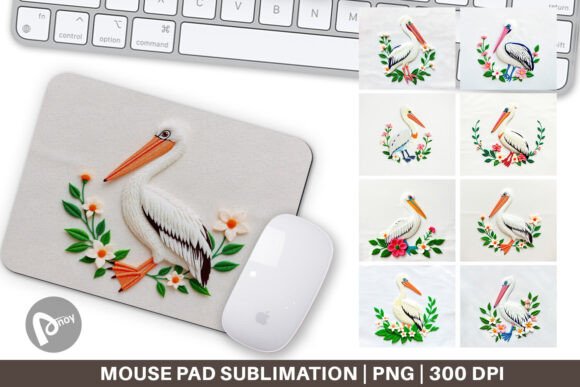
The Mouse Pad Pelican Embroidery design carries a playful yet refined character. The pelican motif reads as approachable, coastal, and slightly whimsical—a tone that works beautifully for boutique brands aiming to feel handcrafted and approachable. The lines in the original PNG files suggest a moderate level of detail, not overly dense but not minimal either. This gives it a decorative strength that feels both trendy and classic.
If I were to describe its stitching mood, I would say it lands somewhere between casual and premium. It is not stiff or overly formal, nor is it too childish. The design carries a feminine softness without being saccharine, and it has a rustic coastal charm that would appeal to customers looking for unique, handmade pieces. For an embroidery designer, this is the kind of graphic that can elevate a simple sweatshirt into a product that feels intentional and personal.
Adapting Mouse Pad Pelican Embroidery for Sweatshirt and Hoodie Projects
When I prepare a small hoodie collection for my online shop, I always look for designs that offer placement flexibility. Mouse Pad Pelican Embroidery performs well in several common apparel zones, especially when you consider the original proportions from the PNG file.
Chest Placement on Neutral Sweatshirts
A centered chest design on a cream, oatmeal, or heather grey sweatshirt lets the pelican motif stand out without competing with the fabric. The visual weight of the design feels balanced for a left-chest or center-chest placement. I recommend testing a slightly reduced scale to keep the motif compact and readable on a standard adult sweatshirt. This is a classic sweatshirt embroidery look that sells well on Etsy and at craft fairs.
Sleeve Accents and Back Designs
For a more fashion-forward approach, consider a single sleeve accent on an oversized hoodie. The elongated shape of a pelican translates naturally to a vertical or diagonal placement on a sleeve panel. I have found that designs with a clear directional flow—like this one—create striking hoodie design details that buyers notice immediately. A full back design on a denim jacket or a cozy cotton hoodie also works, provided you confirm the stitch density and hoop size requirements beforehand.
Pastel Hoodies and Dark Apparel
On pastel hoodies—think soft blush, mint, or lavender—the Mouse Pad Pelican Embroidery reads as dreamy and romantic. On dark garments like navy or charcoal, the same motif takes on a bolder, more graphic presence. The contrast changes the entire mood of the custom apparel piece, so I always advise ordering thread color swatches before committing to a production run. If the original PNG uses thin lines or light shading, you may need to adjust the embroidery file to ensure visibility on darker bases.
Where to Use This Design Carefully
Not every fabric or placement suits every design. Here are the areas where I recommend caution when working with Mouse Pad Pelican Embroidery.
- Small chest placement on fitted tees: If the design is scaled too small, details can become muddied, especially in areas with moderate stitch density. Always test the minimum size while keeping the motif readable.
- High-stretch fabrics: Ribbed cuffs, stretchy jersey, or thin knit fabrics may distort the stitching if the design has dense fill areas. Use a cutaway stabilizer and test on scrap fabric before stitching a finished garment.
- Fleece and textured surfaces: Fleece can swallow fine details. If the Mouse Pad Pelican Embroidery includes thin lines or delicate shapes, consider a denser underlay or a sharper needle to maintain crisp edges.
- Curved surfaces like sleeves or tote bag straps: These areas require careful hooping and possibly a smaller hoop size to avoid pulling or distortion. Plan your placement around the natural curve of the garment.
- Tiny lettering or fine elements: If the design includes any small text or narrow details, confirm registrability on your machine. Adjusting the size upward is often the safest route.
Effect on Apparel Value, Brand Identity, and Customer Trust
When you produce a finished product using Mouse Pad Pelican Embroidery, you are making a statement about your brand. Customers who buy boutique apparel are looking for something that feels special—a design that cannot be found at a big-box retailer. A well-executed embroidery design adds perceived value, builds product recognition, and strengthens buyer trust.
For a boutique brand, consistency matters. Using a cohesive visual theme across sweatshirts, tote bags, and accessories helps create a recognizable identity. The coastal, hand-drawn quality of this motif can become a signature look for a small shop, especially if you pair it with neutral color palettes and natural fabrics. I have seen Etsy sellers build entire collections around a single machine embroidery design that resonates with their audience, and Mouse Pad Pelican Embroidery has that kind of potential.
That said, the final product is only as strong as the production quality. A poorly digitized or carelessly stitched design will undermine trust, no matter how charming the original graphic. Take the time to refine your thread colors, test your stabilizer choice, and inspect every stitch before listing the product.
Practical Embroidery Designer Notes for Production
Before you start stitching, here are the steps I follow whenever I consider using a new design from Creative Fabrica for a commercial run.
- Test on scrap fabric: Always run a test stitch on fabric similar to your final garment. This reveals density issues, thread breaks, and registration problems before you touch a finished sweatshirt.
- Check stabilizer choice: For stretchy fabrics, use a cutaway stabilizer. For stable woven fabrics, a tearaway may suffice. The correct stabilizer prevents puckering and keeps the design crisp.
- Review thread color contrast: The PNG file from Mouse Pad Pelican Embroidery gives you a visual guide, but on-screen colors rarely match thread exactly. Pull physical thread cards and test combinations against your chosen fabric.
- Confirm hoop size and machine compatibility: The product listing provides PNG files, not embroidery files. You will need to convert or digitize the design for your machine. Verify that the final embroidery file fits within your hoop and is compatible with your machine brand before purchasing.
- Inspect stitch density: If the design has dense satin stitches or heavy fill areas, consider reducing density slightly to prevent fabric distortion. Fleece and knits require special attention.
- Test placement on similar garment fabric: A design that looks perfect on a flat hoop may shift or stretch when sewn on a curved sleeve or a ribbed collar. Always test the actual garment you plan to sell.
- Check Creative Fabrica product details and licensing: Before selling finished products, review the license terms for Illustrations and Graphics in this category. Ensure your intended use—whether for small-batch handmade sales or larger commercial production—is permitted by the license.
Beyond Sweatshirts: Tote Bags, Denim Jackets, and Lifestyle Products
The versatility of Mouse Pad Pelican Embroidery extends well beyond hoodies. I have used similar coastal motifs on tote bags for farmers' market vendors, on denim jackets for a spring collection, and on cozy flannel shirts for a fall lineup. The design works equally well as a focal point on a tote bag design or as a subtle accent on a handmade product like a canvas apron or linen pillow.
For Etsy sellers and small shop product managers, this design also serves as strong visual content for printable mockups and social media graphics. A clean PNG file allows you to create lifestyle product photos without stitching every iteration, which saves time during the pre-launch phase. Just remember that the mockup should accurately represent the final stitched product—misleading visuals can hurt customer trust.
Final Thoughts for Creative Fabrica Users
Mouse Pad Pelican Embroidery is not a traditional embroidery file out of the box, but that should not stop you from using it as a source of inspiration and design direction. Its visual personality fits perfectly into the coastal, handmade aesthetic that so many boutique buyers love. With careful digitizing, thoughtful placement, and thorough testing, this motif can become a signature element in your custom apparel lineup.
As an embroidery designer, I always say that the best designs are the ones that make you want to sew. This one does. If you are building a small collection of sweatshirts, hoodies, or accessories for your online shop, I encourage you to explore how the Mouse Pad Pelican Embroidery aesthetic can translate into stitched products that feel personal, premium, and ready for your customers.
Browse the Creative Fabrica library, examine the original PNG files, and imagine how the lines and shapes would read in thread on your favorite garment blank. Then test, adjust, and create something your buyers will remember.