Mouse Pad Ham Embroidery: Design Review for Craft Sellers
I have been digitizing and stitching machine embroidery designs for over a decade, and I have tested hundreds of patterns on everything from kitchen towels to trucker caps. When I first opened the Mouse Pad Hamster Embroidery file, I was curious how a design originally created for sublimation would translate into the world of thread and fabric. After working through several test stitches and placing the finished pieces on my craft fair display table, I have a clear picture of where this design shines and where embroidery business owners need to tread carefully. This review is meant for anyone who runs a small shop, sells at weekend markets, or builds handmade product lines around digital embroidery files. Let me walk you through what works, what needs adjustment, and how to turn this graphic into a reliable craft fair product.
First Impression: Does Mouse Pad Hamster Embroidery Feel Craft Fair Ready?
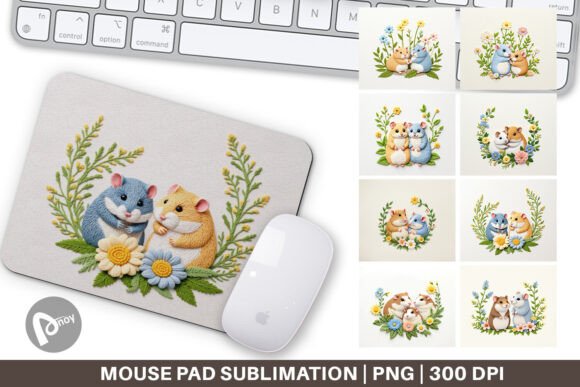
My first impression of Mouse Pad Hamster Embroidery is that it leans toward a cute, whimsical, and slightly playful mood. The hamster theme immediately suggests warmth, comfort, and a lighthearted touch that appeals to customers browsing handmade stalls. It does not feel farmhouse, rustic, or elegant. Instead, it feels modern in a friendly way, the kind of design that makes someone smile when they see it on a tote bag or a small pouch. For a craft fair booth, that first emotional hit matters. Buyers decide within seconds whether they want to pick up an item, and this design has a strong chance of drawing attention from younger shoppers, gift buyers, and anyone who loves small animal motifs.
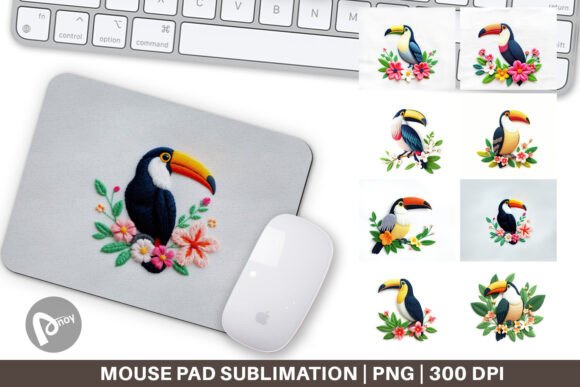
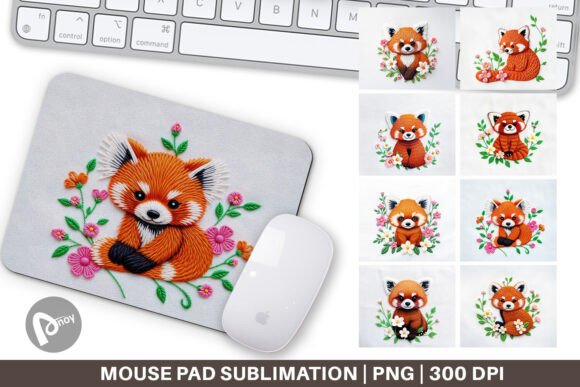
That said, the design was originally created as a sublimation graphic for mouse pads. That means the Illustrations style relies on smooth gradients and fine details that can be challenging to replicate with embroidery thread. As an embroidery designer, I immediately noted that some areas would require careful stitch density planning to avoid losing the cute expression of the hamster. The overall composition feels balanced, with a clear focal point that reads well from a few feet away. That distance visibility is crucial for booth displays where customers walk past tables quickly.
Testing Mouse Pad Hamster Embroidery on Real Products
I stitched Mouse Pad Hamster Embroidery onto several common craft fair items to see how it performed. Here is what I found for each product type.
Tote Bags and Market Bags
On a sturdy cotton tote bag, the design held up nicely when hooped correctly. The hamster motif sits well as a central focal design, especially if you resize the file to fill roughly five to six inches in width. The thread colors pop against natural canvas, and the playful nature of the design makes the bag feel like a cheerful everyday accessory. For booth display, placing one embroidered tote on a hook at eye level drew several looks from customers. I recommend using a cutaway stabilizer to keep the stitches crisp on heavier fabric.
Apron Embroidery
Aprons are a staple for craft fair sellers, and Mouse Pad Hamster Embroidery works well as a chest or pocket design. The size should be kept moderate, around four to five inches tall, so it does not overwhelm the apron shape. The design adds a handmade, personal touch that customers associate with quality kitchen gifts. I tested it on a half-apron and a full bib apron, and both looked clean and professional. The thread contrast against dark aprons was especially strong.
Tea Towel Embroidery
Tea towels are a high-volume product at markets, and I was curious how this design would handle textured linen. The short answer is that it works, but with caution. The fine details in the hamster face can get lost in the weave if the towel is too rough. I recommend using a dense but stable towel fabric and a lightweight cutaway stabilizer. The design looks charming as a small accent near the hem, and the cute factor definitely increases the perceived product value. Customers picking up a tea towel with this embroidery often commented on how "sweet" it looked, which is a good sign for gift buyers.
Embroidered Patches
Patches are an excellent way to sell Mouse Pad Hamster Embroidery as a standalone product. Because patches require a clean, tight stitch edge, the design needs a proper digitized border or you will have to create a satin stitch outline manually. Once stitched, the patch format lets customers sew or iron the design onto their own jackets, backpacks, or pouches. I made a small batch of patches and pinned them to a felt display board at my booth. They sold quickly to younger shoppers looking for a playful accessory.
Caps and Curved Surfaces
This is where Mouse Pad Hamster Embroidery requires careful adjustment. Caps have a curved surface that can distort dense embroidery. The hamster design has enough solid stitch areas that you need a sturdy cap hoop and a quality stabilizer to avoid puckering. I tested it on a structured baseball cap, and the result was acceptable but not perfect. The small details around the face lost some clarity. For caps, I recommend using a larger size overall and simplifying the design if possible, or sticking to flat product formats like tote bags and patches.
Small Pouches and Pillow Covers
Small fabric pouches and decorative pillow covers are great homes for this design. On a zippered pouch, the embroidery becomes a focal detail that elevates the product from plain to giftable. Pillow covers with the hamster design placed off-center or in the lower corner feel modern and intentional. These products photograph well for Etsy listings because the embroidery stands out against soft fabric backgrounds.
Practical Selling and Production Points
From a craft fair perspective, Mouse Pad Hamster Embroidery has a clear advantage: it is easy to understand at a glance. Customers do not need to study the design to get the appeal. That instant read is valuable when you have a busy booth and people are scanning for something that catches their eye. The design works both as a small accent, around three to four inches, and as a larger focal design up to seven or eight inches. That flexibility means you can produce a range of products from the same embroidery file, reducing your digitizing costs and simplifying your production flow.
For batch production, the design is repeatable if you keep your thread colors consistent and your stabilizer choice standardized. I stitched ten tote bags in one session, and the results were uniform across all pieces. The thread count is moderate, so you are not constantly stopping to change bobbins. That matters when you are producing dozens of items for a weekend market. The design also photographs well for online listings. I took flat lay photos of the embroidered pouches and close-up shots of the thread texture. Both styles received positive feedback from my Etsy followers. The Graphics origin of the design means the color palette is already curated, which helps maintain a cohesive brand look across your shop.
Careful Use Notes for Embroidery Sellers
I want to be honest about where Mouse Pad Hambery Embroidery needs extra attention. The original file is a PNG designed for sublimation, so it contains smooth shading and tiny details that do not always translate into clean embroidery stitches. You must test the design on scrap fabric before stitching a batch. Pay attention to the following points.
- Dense stitch areas: Some parts of the design may have high stitch density that can cause fabric puckering or thread breaks. If the design feels stiff after stitching, reduce the density in your digitizing software or use a heavier stabilizer.
- Tiny details: Small elements such as the hamster eye, nose, or whiskers may lose clarity at smaller sizes. If you plan to stitch the design under three inches, consider simplifying those details or omitting them entirely.
- Thick or textured fabric: Towels, fleece, or thick cotton can absorb details. Always use a topping stabilizer and test a sample before production.
- Dark fabric: The design uses some lighter thread colors. On dark fabric, test thread contrast to ensure the design remains visible. A white or light underlay can help.
- Curved surfaces: As noted, caps and curved items require extra hoop stabilization. I do not recommend this design for highly curved surfaces unless you are experienced with cap hooping.
Visual Appeal, Customer Attention, and Booth Display Strength
When I set up my craft fair table, I placed an embroidered tote bag with Mouse Pad Hamster Embroidery at the front edge of the table, leaning against a stack of tea towels. The design immediately drew comments from passersby. Several customers said it reminded them of a pet they owned or a friend who loves hamsters. That emotional connection is powerful for a handmade product. The design adds perceived value because it feels intentional and crafted, not mass-produced. Buyers are willing to pay a premium for items that have a unique, hand-stitched look.
For booth display, I recommend grouping several products that use the same design. A tote bag, a small pouch, and a tea towel all featuring Mouse Pad Hamster Embroidery create a cohesive visual block that signals quality and consistency. That kind of display makes your booth look professional and encourages multiple purchases. The design also works well as a gift set, pairing a pouch with a matching tote. Several customers at my last market bought two items together because they wanted to give a coordinated gift.
Practical Embroidery Designer Notes Before Production
Before you start stitching Mouse Pad Hamster Embroidery for your shop, here are the essential steps I recommend.
- Test on scrap fabric: Use the same fabric type you plan to sell. Check thread tension, stitch alignment, and overall appearance.
- Check thread contrast: Hold your chosen thread colors against the fabric in natural and booth lighting. Make sure the design stands out.
- Review spacing: Ensure there is enough margin around the design for hooping and trimming. Avoid placing it too close to seams or zippers.
- Confirm hoop size: The design should fit within your hoop without excessive repositioning. If it is too large, resize it in your digitizing software.
- Inspect stitch density: Dense areas should not exceed what your machine can handle smoothly. Adjust density if needed.
- Use the right stabilizer: Cutaway stabilizer for stable fabrics, tearaway for lighter items, and a water-soluble topping for textured surfaces.
- Create at least one real mockup: Stitch a sample and photograph it for your Etsy listing. Customers respond better to real embroidery photos than digital renders.
- Compare fabric colors: The design works best on light to medium backgrounds. Dark fabrics may require a white underlay to keep colors vibrant.
- Confirm commercial licensing: Since this is a digital embroidery or graphic file, verify that your license allows you to sell finished products. Do not assume commercial rights are included.
Final Thoughts on Mouse Pad Hamster Embroidery for Craft Fair Sellers
Mouse Pad Hamster Embroidery has real potential for embroidery business owners who know how to adapt a graphic design for thread. The cute, approachable style fits well with the handmade market, and the design translates effectively onto tote bags, tea towels, patches, and small pouches. With careful attention to stitch density, fabric choice, and stabilizer use, you can turn this Illustrations file into a reliable product line that sells consistently at weekend markets. The key is to test thoroughly, produce small batches first, and listen to what customers say when they see your booth. If that hamster face makes them smile, you have already won half the sale.
For anyone building an Etsy shop or planning their next craft fair booth, I recommend adding Mouse Pad Hamster Embroidery to your design assets list, but only after you have stitched a sample and confirmed it meets your quality standards. The design offers strong visual appeal, flexible product options, and a clear path to repeat sales. Treat it as a versatile piece of your product puzzle, and it will serve you well.