D20 Natural 20 Machine Embroidery Design Review
When you are preparing for a weekend craft fair, every product on your table needs to earn its place. As an embroidery designer who has stitched and sold thousands of pieces, I have learned that the best designs are the ones that stop a shopper mid-stride. D20 Natural 20 Machine Embroidery Design is exactly that kind of design. It speaks directly to tabletop RPG fans, dice collectors, and anyone who loves a clever nod to gaming culture. Before you add this embroidery file to your production lineup, let me walk through how it performs on real products, what sells best, and what you need to know before the first stitch.
First Impression: Bold, Playful, and Instantly Recognizable
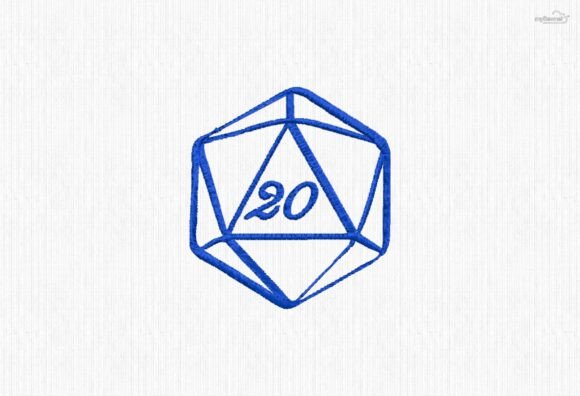
The moment I opened D20 Natural 20 Machine Embroidery Design, I knew it would get noticed. The imagery of a twenty-sided die landing on the critical 20 is iconic for anyone who plays role-playing games. This is not a subtle or farmhouse-style design. It is bold, graphic, and slightly cheeky. It carries a sense of inside knowledge that makes the buyer feel part of a community. For a craft fair booth, that kind of emotional pull is gold. Shoppers do not just buy a tote bag or a towel. They buy a reminder of their favorite gaming moments. This machine embroidery design delivers that feeling in a single glance.
Best Product Matches for D20 Natural 20 Embroidery
Not every product benefits from a large, dense design. After testing D20 Natural 20 Machine Embroidery Design on several blanks, here is where it truly shines and where you should be cautious.
Tote Bags and Market Bags
A sturdy cotton tote bag is a natural home for this design. The bold shape of the D20 reads well on a flat surface, and the natural 20 motif becomes a conversation starter. I stitched it on a natural canvas tote using black thread and the contrast was striking. If you are building a craft fair product line, a gamer-themed tote bag with this design will sell quickly to convention attendees and hobby shop regulars. Keep the design size in the medium range so it fits comfortably below the handles without crowding the bag.
Aprons for Kitchen or Game Room
An apron embroidered with D20 Natural 20 Machine Embroidery Design is an unexpected but highly effective product. Game night hosts, DMs who cook for their group, or anyone who loves a themed kitchen will appreciate it. I tested it on a mid-weight cotton apron and the design held its shape well. The apron front offers a nice flat area, and the design becomes a focal point that draws smiles. For craft fair display, hang the apron at eye level so the dice motif is visible from across the booth.
Tea Towels and Kitchen Towels
Tea towels are a staple for handmade sellers because they are affordable to produce and easy to gift. However, D20 Natural 20 Machine Embroidery Design requires attention to fabric texture. On a smooth linen or cotton towel, the design looks crisp and professional. On a thick, looped terry towel, the stitch density may cause the fabric to pucker or the details to become less sharp. If you want to use a terry towel, opt for a higher stitch count and a dense stabilizer. A flat-weave kitchen towel is a safer choice and still feels giftable.
Embroidered Patches
Patches are a low-cost, high-margin addition to any craft fair booth. D20 Natural 20 Machine Embroidery Design works beautifully as a patch because the bold lines and clear silhouette translate well at a smaller size. You can sew patches onto jackets, backpacks, hats, or even sell them as standalone iron-on items. The gaming community loves patches, and this design has strong repeatability. Once you have the embroidery file digitized, you can batch-produce patches quickly. Just make sure the stitch density is appropriate for a patch backing and that the edge finish is clean.
Caps and Hats
Embroidering a cap can be tricky, but D20 Natural 20 Machine Embroidery Design is structured enough to work on a curved surface if you keep the design size moderate. I recommend testing it on a scrap cap first. The design should sit on the front panel without wrapping too far onto the brim. Use a cap embroidery hoop and a firm stabilizer. The natural 20 motif reads well on a dark cap with bright thread, making it a strong seller for gaming enthusiasts who want to wear their hobby.
Small Pouches, Pillow Covers, and Handmade Gifts
Small fabric pouches are excellent for dice storage, and what better design to put on a dice bag than a D20? D20 Natural 20 Machine Embroidery Design fits nicely on a pouch front, and the design becomes a cohesive part of a gaming gift set. Pillow covers are another strong contender. A decorative pillow with this design can be a statement piece for a game room or bedroom. When you create a coordinated set of a pouch and a pillow cover, the perceived value increases significantly. Craft fair shoppers are willing to pay more for a themed bundle that feels curated.
Practical Selling and Production Points
As a small shop owner, you need to know whether a design is easy to produce at scale and whether it photographs well for online listings. D20 Natural 20 Machine Embroidery Design scores high on both counts.
Readability at a Glance
The design is instantly recognizable. A shopper does not need to study it. They see the D20, they see the natural 20, and they smile. That quick emotional reaction is what drives impulse purchases at a craft fair. For Etsy listings, this design photographs beautifully because the high contrast between the thread and fabric creates a clear, shareable image. I recommend stitching a sample on a neutral background and photographing it in natural light for your listing photos.
Small Accent vs. Large Focal Design
One of the strengths of this machine embroidery design is its flexibility. At a smaller size, it works as a subtle accent on a cuff, a pocket, or a corner of a towel. At a larger size, it becomes the main event. If you offer multiple size variations of the embroidery file, you can appeal to both minimalists and maximalists. In my experience, the medium to large versions sell best for tote bags and apparel, while the small version is popular for patches and pouches.
Repeatability for Batch Production
Once you have tested the design and dialed in your stabilizer and thread tension, you can repeat it across multiple blanks efficiently. The design is not overly complex, so it does not cause excessive machine wear or thread breaks. This makes it suitable for craft fair sellers who need to produce 10 to 20 units quickly. Batch production keeps your cost per unit low and your booth stock consistent.
Careful Use Notes for Better Results
No design is perfect on every fabric. D20 Natural 20 Machine Embroidery Design requires a few considerations to ensure professional results.
Stitch Density and Tiny Details
Check the stitch density before you start. If the design has dense fill areas, it may cause puckering on lightweight fabrics. I recommend using a cutaway stabilizer for most applications and a water-soluble topper for textured fabrics like towels. If the design includes very small lettering or fine lines, test it at your intended size to confirm that the details remain legible. Some machine embroidery designs lose clarity when scaled down, so always stitch a test sample first.
Fabric Texture and Dark Fabric
Thick or textured fabrics can swallow fine details. On a rough cotton or a heavy canvas, the design still works well because the D20 shape is bold. However, if you are stitching on dark fabric, choose a thread color that pops. Bright white, neon green, metallic silver, or a vivid red can create the contrast needed to make the natural 20 visible from a distance. Avoid dark-on-dark combinations unless you are going for a subtle look.
Hoop Size and Spacing
Before you commit to a bulk order, confirm the hoop size required for the design at your preferred dimensions. Leave enough margin around the design so that the fabric does not shift during stitching. Proper spacing also makes trimming and finishing easier. As an embroidery designer, I always recommend creating at least one real mockup before offering the product for sale. A physical sample lets you check the drape, the feel, and the overall look in a way that a digital mockup cannot match.
How This Design Affects Visual Appeal and Customer Engagement
D20 Natural 20 Machine Embroidery Design has a high fun factor. In a craft fair booth filled with generic florals and monograms, a gaming-themed piece stands out immediately. Buyers who play role-playing games or know someone who does will gravitate toward it. The design also encourages conversation. Shoppers often tell stories about their gaming groups while they browse, and that personal connection increases the likelihood of a sale.
From a brand consistency standpoint, this design is best suited for sellers who already have a playful, geeky, or modern aesthetic. If your booth is mostly rustic farmhouse or elegant monograms, this design may feel out of place unless you give it its own dedicated section. I have found that grouping several gaming-themed designs together on one shelf or rack creates a destination within your booth. Customers who love tabletop RPGs will spend time exploring that corner, and they often buy multiple items.
Practical Embroidery Designer Notes for Production
Before you stitch D20 Natural 20 Machine Embroidery Design for a craft fair or Etsy shop, here are the steps I always take:
- Test on scrap fabric first. Use the same fabric type as your final product to check stitch quality, density, and tension.
- Check thread contrast. Hold your thread colors next to the fabric in natural light. The design should be readable from at least three feet away.
- Review spacing and placement. Hoop the fabric and mark the center. Make sure the design sits where customers will see it first.
- Inspect stitch density. If the design feels too dense, consider a larger size to spread the stitches or a lighter stabilizer to reduce bulk.
- Use the right stabilizer. Cutaway stabilizer for knits and stretchy fabrics, tearaway for stable wovens, and a topper for high-pile textures.
- Create at least one real mockup. A physical product sample helps you photograph, price, and display with confidence.
- Compare fabric colors. Stock blanks in colors that make the design pop. Light gray, natural canvas, black, and deep green all work well.
- Confirm commercial licensing. Before selling finished products, verify that the embroidery file includes commercial use rights. This protects your business and keeps everything above board.
Final Thoughts for Craft Fair Sellers
D20 Natural 20 Machine Embroidery Design is a strong addition to any handmade product lineup aimed at gamers, dice lovers, and creative hobbyists. It translates well onto tote bags, aprons, towels, patches, pouches, and pillow covers. It photographs clearly for Etsy listings and draws attention at a craft fair booth. With careful attention to fabric choice, stabilizer, and stitch density, you can produce finished products that feel premium and sell quickly. If you are looking for a machine embroidery design that connects with a passionate audience and stands out in a crowded market, this D20 design is a critical success waiting to happen. Add it to your production list, stitch a sample, and watch the natural 20s roll in.