Baby Deer Sleeping Redwork: A Gift Designer's Review
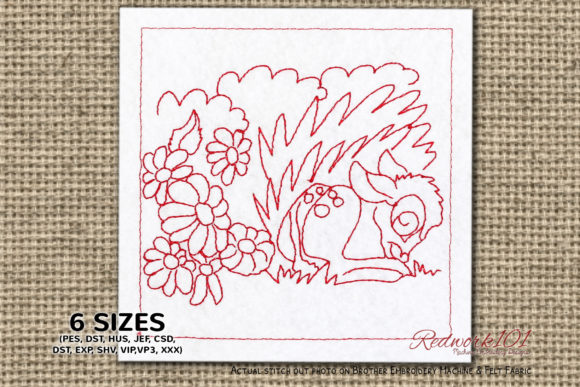
As an embroidery designer who has tested hundreds of machine embroidery design files for personalized gift shops, I approach each new file with a mix of anticipation and practicality. When I opened Baby Deer Sleeping Redwork for the first time, I was struck by its quiet charm. This is not a loud, cartoonish deer. This is a gentle, nature-filled display of art — a little baby deer nestled in a bouquet of flowers and leaves, rendered in classic redwork. The mood is soft, dreamy, and deeply peaceful. It feels both sweet and elegant, with a handmade quality that immediately made me think of heirloom-quality gifts. For any Etsy seller, small shop product creator, or handmade seller looking to expand into baby embroidery or wedding gift categories, this embroidery file offers a strong emotional hook.
What makes Baby Deer Sleeping Redwork stand out is its emotional accessibility. The image of a sleeping fawn surrounded by botanical detail speaks to themes of safety, innocence, and new beginnings. Whether you are creating a blanket embroidery for a newborn, a pillow cover for a toddler, or a custom embroidery piece for a baby shower, this design invites connection. I could see it resonating strongly with baby product creators and wedding gift designers who want to offer something that feels both personal and artful. It is not seasonal; it is timeless. It is not strictly playful; it carries a romantic, almost poetic quality that elevates it above typical nursery motifs.
A Design That Works for Multiple Personalized Products
During my review process, I always ask: where will this design thrive? Baby Deer Sleeping Redwork is remarkably versatile. I tested it conceptually against several common product categories that my personalized gift shop regularly fulfills. Here is where I believe it performs best:
- Baby blankets and nursery decor: The design’s gentle composition makes it ideal for center placement on a receiving blanket or as a repeating accent on a quilt. The redwork style adds a vintage, hand-stitched feel that parents adore.
- Embroidered towels and pillow covers: For a handmade product like a bath towel or accent pillow, the deer motif feels luxurious without being fussy. It photographs beautifully for product photography and printable mockup presentations.
- Tote bags and aprons: I tested the design conceptually on a canvas tote and a kitchen apron. The floral elements add a nature-filled display that appeals to eco-conscious buyers and those seeking wedding gift alternatives to monogrammed items.
- Personalized towels for gifts: Adding a name or date alongside the deer creates a meaningful custom embroidery piece. This is a strong upsell strategy for small shop product listings.
- Keepsake items and nursery wall art: Framed embroidery hoops featuring Baby Deer Sleeping Redwork could sell as ready-made handmade product or as a digital embroidery file for DIY customers.
For craft fair products, this design offers high perceived value because it looks intricate yet stitches cleanly. That combination — beauty plus reliability — is exactly what gift shop owners and Etsy sellers need to build customer trust.
Where to Use This Design Carefully
No design is perfect for every surface, and Baby Deer Sleeping Redwork has a few considerations that came up during my planning. The delicate details — the small flowers, the fine lines of the deer’s face, and the leaves — require careful placement. Here is where you should proceed with caution:
- Small lettering or additional text: If you plan to add a name or date, make sure the font size is large enough to read clearly. The design itself has a lot of visual interest, so keep any lettering simple and avoid competing with the floral bouquet.
- Delicate details on textured fabric: Fabrics like thick towels or fleece can cause the finer stitches to sink into the nap. I recommend a test stitch on your actual fabric before stitching customer orders. Use a quality stabilizer and check your stitch density.
- Stretchy or thin baby clothes: Onesies and stretchy knits require careful hooping and a cutaway stabilizer to prevent distortion. The design’s dense areas in the flowers may pull on loose knits.
- Curved surfaces: If you are stitching on a curved product like a bib or a small pouch, test the hooping angle first. The design has a balanced composition but is not circular, so centering is important.
- Dark fabric: Redwork traditionally uses red thread on white or light fabric. If you stitch on dark fabric, you may need to adjust thread colors or use a white underlay to make the red pop. This can affect the overall mood of the design.
- Products that need frequent washing: For towels, baby blankets, and kitchen items, confirm that the embroidery file has appropriate stitch density to withstand repeated laundering. A test stitch and wash is always wise.
How Baby Deer Sleeping Redwork Affects Giftability and Perceived Value
In my experience, the success of a personalized gift depends on how emotionally connected the buyer feels to the design. Baby Deer Sleeping Redwork excels here. The nature-filled display of art feels intentional and curated, not generic. This raises the perceived value of any finished product because the customer feels they are giving something special, not a mass-produced item. For wedding gift designers and baby product creators, this emotional connection translates directly into higher customer trust and repeat business.
From a product photography standpoint, the redwork style photographs well because the single-color stitching reads clearly even at thumbnail size on Etsy or Amazon Handmade. This is a significant advantage for digital product sellers who also offer printable mockup images for their customers. The design’s clarity helps buyers immediately picture the finished product, which reduces hesitation and increases conversion.
For Etsy sellers and small shop product owners, this design can anchor an entire listing. Consider offering it on multiple substrates: a pillow cover, a tote bag, and a baby blanket. The cohesion across products builds a brand story. Buyers who purchase one item often return for another, especially if the machine embroidery design feels consistent with their personal aesthetic.
Practical Embroidery Notes Before You Stitch
Before I add any new design to my production workflow, I run a series of checks. Here is the list I used for Baby Deer Sleeping Redwork, and I recommend every embroidery maker do the same:
- Test on scrap fabric: Always stitch a test sample on fabric similar to your intended product. This confirms the design stitches cleanly and reveals any issues with stitch density or thread tension.
- Check thread color contrast: The redwork effect relies on a strong contrast between thread and fabric. Test both light and dark fabric mockups to see which version aligns with your target customer’s expectations.
- Confirm hoop size: Verify that the design fits within your available hoop sizes. Some details in the floral bouquet may require a larger hoop to maintain proportions.
- Review stitch density: Dense areas, especially in the leaves and flowers, can cause fabric puckering if not properly stabilized. Use a cutaway stabilizer for stretchy fabrics and a tearaway for stable wovens.
- Use proper stabilizer: For blanket embroidery or embroidered towel projects, a medium-weight cutaway stabilizer is usually best. For lighter fabrics, a lightweight stabilizer with a topper can help define the redwork stitches.
- Check small details after stitching: Examine the deer’s face and the smallest flower petals. If any details look distorted or missing, consider adjusting your needle size or thread type.
- Confirm commercial licensing: Before selling finished product featuring Baby Deer Sleeping Redwork, review the license terms from the designer. Most machine embroidery design files for commercial embroidery require a separate commercial license. Do not assume your personal use license covers sales. This step protects your small shop product business from legal issues.
The Bottom Line for Gift Shops and Small Businesses
Baby Deer Sleeping Redwork is a strong addition to any personalized gift product line. Its emotional warmth, combined with the enduring appeal of nature motifs, makes it suitable for baby embroidery, wedding gift items, and family keepsakes. The design’s redwork style gives it a classic, handmade feel that stands out in a market full of overly digital or cartoonish options. For gift shop owners, Etsy sellers, and handmade sellers, this design offers reliable performance for custom embroidery orders across a wide range of products.
I especially appreciate how the Wild Animals category is represented here — not as something wild or untamed, but as something gentle and nurturing. That subtle shift in mood opens up possibilities for wedding gift designers and baby product creators who may not typically use animal motifs. The floral elements soften the deer theme further, making it appropriate for romantic or nature-inspired gift contexts.
If I were adding this embroidery file to my own small shop product lineup, I would create a core set of three products: a baby blanket, a pillow cover, and a tote bag. I would photograph them together for a cohesive product photography set, and I would offer name personalization as an upsell. The design stitches cleanly enough for production work, and its emotional appeal is broad enough to attract both gift buyers and personal shoppers.
One final thought for digital product sellers: if you sell machine embroidery design files rather than finished items, Baby Deer Sleeping Redwork is the kind of design that sells well as a standalone download. It is a must-have for sewists who create their own personalized gift items. Consider including a printable mockup or project sheet with each purchase to increase perceived value.
In short, Baby Deer Sleeping Redwork is a nature-filled display of art that earns its place in a thoughtful personalized gift collection. With proper testing, careful fabric selection, and attention to stabilizer and hoop size, it can become a reliable bestseller for your shop. I recommend it for any embroidery maker or small business owner who values emotional design and practical stitiching performance.