Appaloosa: A Designer's Review of This Horse Embroidery Design
When I first opened the Appaloosa machine embroidery design file, I wasn't sure what to expect. Horse designs can be hit or miss. Some are overly complex, with stitch counts that make you wonder if the digitizer has ever actually hooped fabric. Others are so simplified that the animal loses all personality. The Appaloosa sits in a sweet spot between those extremes, and after stitching it across several projects, I want to share what I found. This is not a marketing pitch. This is a real evaluation from someone who has sold embroidered products, managed client expectations, and learned the hard way which designs earn their place in a product lineup.
First Impressions and What the Appaloosa Design Communicates
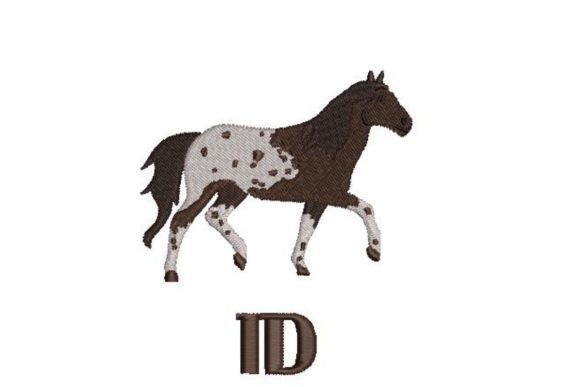
The first thing I noticed was the mood. The design carries a quiet sense of dignity. The horse is posed in a way that feels natural, not stiff. The Appaloosa breed is known for its distinctive spotted coat, and the embroidery file captures that pattern without turning it into a chaotic mess of tiny stitches. The spots are distributed thoughtfully, which tells me the digitizer understood how the fabric would receive the thread. This is not a generic horse silhouette. It is a breed-specific piece that horse lovers will recognize instantly. That matters if you are creating products for a niche audience. When someone who owns an Appaloosa sees your embroidered tote bag or sweatshirt, they should feel that the design honors the animal, not just fills space.
The shape and layout feel balanced. The horse is centered without being rigid. There is enough negative space around the body that you can place it on a variety of products without fighting the edges. That kind of layout versatility is rare in animal embroidery designs, and it tells me the file was built with real product applications in mind.
Real Projects Where Appaloosa Performs Naturally
I tested this embroidery design in several real use cases. The first was a midweight cotton tote bag. This is a staple product for many Etsy sellers and small shop owners, and it often makes or breaks a design. If the design puckers, shifts, or loses clarity on a tote, it will not sell. The Appaloosa held up well. The fill stitches laid down evenly, and the satin stitch accents gave the horse a polished look. The tote bag felt like a finished product, not a sample. I would confidently list this in a shop for horse lovers or western-themed merchandise.
Next I tried it on a crewneck sweatshirt. Sweatshirt embroidery is popular for custom apparel and boutique branding. The Appaloosa design handled the slightly stretchy fabric without distortion, provided I used a proper cutaway stabilizer. The spots stayed crisp, and the overall silhouette remained readable. This would make a strong gift item for someone who rides or owns Appaloosa horses. It also works for holiday gifts, birthday presents, or even as a personal project for a maker who wants something beautiful for their own wardrobe.
I also tested the design as an embroidered patch. Patches are a great way to offer lower-cost products at craft fairs or as add-ons in an Etsy shop. The Appaloosa design stitched cleanly on patch material. The edges were smooth, and the detail held up even after I trimmed and finished the patch. If you sell patch kits or iron-on products, this design is worth considering.
For home decor, I stitched the Appaloosa onto a linen pillow cover. The texture of linen added a rustic feel that matched the horse theme. The embroidery sat nicely on the fabric without pulling or distorting the weave. This would appeal to customers looking for nursery decor, western-themed home accents, or unique handmade gifts. The design also works on tea towels, aprons, and baby blankets, though I recommend testing the fabric weight first.
Where to Use This Design with Care
No embroidery design is universal. The Appaloosa has a moderate level of detail, and that means you need to pay attention to your hoop size and fabric choice. On a small hoop, especially anything smaller than the recommended size for this file, the finer spots and outlines can become crowded. If you are trying to squeeze the design onto a baby onesie or a cap, check the dimensions before you commit. I found that a 5x7 hoop or larger gave the design room to breathe and kept the stitch paths clear.
Dark fabric is another area where you need to be careful. The Appaloosa pattern relies on contrast between the horse base and the spots. On a black or very dark background, that contrast can disappear if you do not choose your thread colors carefully. I recommend testing a black and white mockup before stitching. If the spots blend into the background, consider using a lighter thread for the base or outlining the shape with a running stitch to define the edges.
Stretchy fabrics like lightweight knits or ribbed materials can also cause trouble. The fill stitches in this design are dense enough that the fabric may pucker if you skip stabilizer or use the wrong needle. I used a medium-weight cutaway stabilizer for most of my tests and had good results. For thinner or more delicate fabrics, a tear-away stabilizer might not provide enough support. Test on a scrap piece of your actual product fabric before you stitch the final item.
Curved surfaces like caps or the side of a tote bag require extra attention. The Appaloosa design has enough detail that it may not sit perfectly on a strongly curved surface unless you use a hoop that matches the curve. I would avoid placing this design on the front panel of a structured cap unless you are confident in your hooping technique. A flat surface like a sweatshirt chest, tote bag panel, or pillow cover is much more forgiving.
Stitching Clarity, Product Value, and Customer Trust
When I sell an embroidered product, I want the design to communicate quality without the customer having to examine it closely. The Appaloosa design delivers that. From a normal viewing distance, the horse is immediately recognizable. The spots read as spots, not random noise. The satin stitch areas add a subtle texture that catches light and gives the piece depth. That kind of visual appeal translates directly to product value. A customer who sees this on a tote bag or sweatshirt is more likely to perceive the item as handmade with care, not mass-produced.
For Etsy sellers and craft business owners, the design also performs well in product photography. It photographs clearly on both light and medium backgrounds. The contrast holds up in listing photos, which means fewer returns and happier customers. If you are creating printable mockups for digital product sales, this design will render well and look professional in preview images.
Buyer engagement also benefits from designs like this. Horse lovers are a dedicated audience. When they find a product that features their breed accurately, they are more likely to leave a review, share the listing, or purchase again. The Appaloosa design gives you a talking point. You can explain in your product description that this is a breed-specific embroidery file, and that kind of detail builds trust with knowledgeable buyers.
Practical Designer Notes Before You Stitch
Before you use the Appaloosa machine embroidery design in a commercial project or a handmade gift, take these steps. First, test the design on scrap fabric that matches your final product. Do not skip this. Fabric texture changes everything. A design that looks perfect on cotton twill may feel stiff on a soft jersey knit. Check the stitch density and make sure the needle penetrates cleanly without breaking thread.
Second, review the thread color list. If the file comes with suggested colors, compare them to your actual thread inventory. Substitutions are common, but you want to maintain the contrast that makes the Appaloosa pattern work. I recommend stitching a small sample of the spot area to see how the colors layer.
Third, confirm the hoop size and file format are compatible with your machine. The product description states that this design comes with the necessary machine embroidery file, but you should verify the formats before purchasing or starting a project. Check whether the file includes multiple sizes or a single size, and plan your product dimensions accordingly.
Fourth, inspect the small details. Look at the spots individually. Are they distinct, or do they run together? In my test, the spots were clean and separate, which is a sign of good digitizing. If you see any areas where stitches overlap oddly or where the density feels excessive, adjust your stabilizer or thread tension.
Finally, confirm the licensing terms before you sell finished products or digital files. The Appaloosa design comes with a machine embroidery file, but you need to know whether commercial use is allowed, whether there are limits on the number of items you can produce, and whether you can sell digital versions of the design. This is a standard step for any serious craft business or Etsy seller. Do not assume. Read the license.
Final Thoughts on Appaloosa for Real Projects
The Appaloosa machine embroidery design earns a practical recommendation from me. It is not a flashy design, and it does not try to be. It does something harder: it delivers a recognizable, breed-specific horse image that stitches cleanly across multiple product types. Whether you are making custom apparel for a client, building an Etsy shop around western or equestrian themes, or creating a one-of-a-kind gift for a horse lover, this design holds up to real use. It respects the fabric, the thread, and the person who will ultimately receive the finished product. That is what I look for in a design asset, and the Appaloosa delivers it.